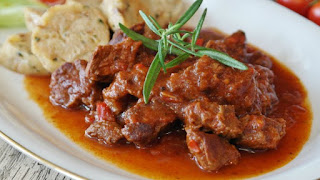
Ndengu Coconut Curry – Kenyan Mung Beans

Ndengu Coconut Curry – Kenyan Mung Bean Stew
Swahili: Ndengu wa Nazi
English: Mung Bean Coconut Curry
Cultural origin: Kenyan synthesis of coastal Swahili and inland culinary traditions
A comforting, protein-rich everyday stew that represents the cultural exchange between Kenya's coast and interior.
Cultural Significance & Context
What is Ndengu?
Ndengu (pronounced n-DENG-goo) is the Swahili name for mung beans, also known as green grams. This dish represents a beautiful culinary synthesis in Kenya: the protein-rich beans traditionally grown and consumed inland meet the coconut milk and curry spices of the Swahili coast.
Historical & Cultural Journey
- Bean origins: Mung beans likely arrived in East Africa via Indian Ocean trade routes centuries ago
- Coastal influence: Coconut milk and curry spices reflect Swahili culture's Indian and Arabian influences
- Inland adoption: Inland communities adapted coastal flavors to their bean-based diets
- Modern synthesis: Today, Ndengu Coconut Curry is enjoyed nationwide as a unifying dish
Nutritional & Social Importance
- Protein source: Vital plant-based protein in both vegetarian and meat-eating households
- Affordability: Economical meal for families, students, and budget-conscious cooks
- Versatility: Served with various starches - rice, chapati, or ugali
- Health value: High in protein, fiber, folate, and iron
Regional Variations
The dish varies significantly across Kenya:
- Coastal style (Mombasa, Lamu): Richer, creamier with more coconut milk, distinct curry spices
- Inland style (Nairobi, Central Kenya): Less coconut, more tomato-based, simpler spicing
- Western Kenya: May include local greens and different spice combinations
Ingredients with Cultural Notes
Yield: 4-6 servings (as a main dish with rice or chapati)
Core Ingredients
- 2 cups dry mung beans (ndengu): Look for whole green mung beans with skins intact for authentic texture and nutrition. Soaking reduces cooking time but isn't mandatory.
- 400ml coconut milk (1 can or fresh): The coastal signature. Freshly grated coconut squeezed for milk is traditional; canned is modern convenience. Coastal versions use more, inland versions use less.
- 1 large onion, chopped: The foundation of most Kenyan stews. White or yellow onions preferred.
- 3 medium tomatoes, chopped: Fresh tomatoes create the base sauce. Roma or regular tomatoes work well.
Spice Blend (The Coastal Influence)
- 1-2 tablespoons curry powder: Kenyan curry powder blends typically include turmeric, coriander, cumin, fenugreek, and chili. Adjust to taste.
- ½ teaspoon turmeric powder: For color and health properties.
- 1 teaspoon cumin seeds or powder: More common in coastal versions but now widespread.
- 3 cloves garlic, minced: Essential aromatics.
- 1 tablespoon fresh ginger, minced: Fresh preferred over powdered.
Optional Additions (Modern Adaptations)
- Carrots (2 medium, diced): Add sweetness, color, and nutrition. Common in urban versions.
- Bell pepper (1, diced): Adds color and slight sweetness. Modern addition.
- Spinach or kale (sukuma wiki, 2 cups chopped): For extra greens and nutrition.
- Fresh coriander/cilantro: For garnish, adds fresh finish.
Basic Pantry Items
- 2 tablespoons vegetable oil
- Salt to taste
- Water as needed
Method with Cultural Techniques
1. Preparing the Mung Beans
Traditional approach: Sort through beans to remove any stones or debris. Rinse thoroughly under cold water. Soaking (2-4 hours or overnight) reduces cooking time but isn't essential in traditional cooking where slow simmering is standard.
Cooking: Place beans in a pot with water (1 part beans to 3 parts water). Bring to boil, then reduce to simmer. Cook until tender but not mushy - about 45-60 minutes. Drain and set aside. Note: Some traditional cooks don't drain, using the bean cooking water in the curry for extra nutrition.
Modern shortcut: Pressure cook for 15-20 minutes.
2. Building the Curry Base (The Foundation)
This step is crucial for developing depth of flavor:
- Heat oil in a large, heavy-bottomed pot over medium heat.
- Add chopped onion and sauté until translucent and just starting to brown at edges.
- Add minced garlic and ginger. Cook 1-2 minutes until fragrant but not burnt.
- Add curry powder, turmeric, and cumin. Toast for 30 seconds until aromatic - this "blooms" the spices, releasing their oils and flavors.
Cultural note: The technique of toasting spices in oil before adding liquids is an Indian influence that became integral to Swahili coastal cooking.
3. Creating the Tomato Sauce
Add chopped tomatoes to the spice mixture. Cook over medium heat, stirring occasionally, until the tomatoes break down completely and the mixture thickens. You'll notice the oil starting to separate from the tomato-spice mixture - this is a key visual indicator that the base is properly cooked.
Time: 10-15 minutes. Patience pays off: This stage develops the foundational flavor of the curry.
4. Combining Elements
Add the cooked mung beans to the tomato-spice base. Stir thoroughly to coat every bean with the flavorful mixture. This ensures the beans absorb the flavors throughout.
Pour in the coconut milk. Add enough water to achieve your preferred consistency - coastal versions tend to be thicker and creamier, while some inland versions are slightly soupier.
If using optional vegetables: Add diced carrots and/or bell peppers at this stage so they cook through.
5. The Final Simmer
Bring the mixture to a gentle simmer (not a rolling boil). Cook uncovered for 20-30 minutes, stirring occasionally to prevent sticking. The curry will thicken as it cooks.
Seasoning: Add salt to taste about halfway through cooking. Taste and adjust seasoning as needed.
Doneness test: The gravy should coat the back of a spoon. Beans should be tender but still hold their shape.
Final touch: If using spinach or kale, stir in during the last 5 minutes of cooking. Garnish with fresh coriander just before serving.
6. Serving Tradition
Ndengu is always served hot with a starch:
- With rice: Steamed white rice is the most common accompaniment
- With chapati: The flatbread is perfect for scooping up the curry
- With ugali: Less common but acceptable, especially inland
Serving style: Typically served family-style in a large bowl with starch on the side, or plated individually with curry over rice.
Cultural Variations & Adaptations
Traditional Coastal (Swahili) Style
- Rich with coconut milk (sometimes using both thick and thin milk)
- More complex spice blends including cardamom, cinnamon, cloves
- Sometimes includes tamarind for slight tanginess
- May use freshly grated coconut rather than canned milk
Inland/Highland Adaptations
- Less coconut milk, sometimes just a splash for flavor
- Simpler spicing - may just use basic curry powder
- More vegetable additions common
- Sometimes includes potatoes for extra heartiness
Modern Urban Variations
- Addition of non-traditional vegetables (zucchini, peas, etc.)
- Use of canned beans for speed
- Fusion elements (adding yogurt, different spice blends)
- Spicier versions with more chili
Diaspora Adaptations
- Substitutions for hard-to-find ingredients
- Adaptations to local taste preferences
- Combination with other culinary traditions
Nutritional & Practical Information
Nutritional Profile (per serving, with rice)
- Calories: 450-500
- Protein: 18-20g (complete protein when served with rice)
- Carbohydrates: 65-70g
- Fiber: 10-12g
- Fat: 14-16g (mostly from coconut)
- Key nutrients: Iron, folate, magnesium, potassium
Practical Cooking Notes
- Prep time: 20 minutes (plus bean soaking if desired)
- Cooking time: 1.5 hours (can be reduced with pressure cooker)
- Difficulty: Easy to intermediate
- Cost: Very economical
- Leftovers: Keeps well for 3-4 days refrigerated, flavors improve
- Freezing: Freezes well for up to 3 months
Sustainability & Economic Aspects
- Mung beans are drought-resistant and sustainable crop
- Plant-based protein has lower environmental impact than meat
- Affordable meal for families of all income levels
- Uses pantry staples common in Kenyan households
Contemporary Context & Evolution
Modern Kenyan Kitchen
In contemporary Kenya, Ndengu Coconut Curry has evolved while maintaining its core identity:
- Urban adaptations: Quicker versions for working families
- Health consciousness: Appreciated as plant-based protein option
- Fusion cuisine: Appearing in restaurants with creative twists
- Diaspora cuisine: A taste of home for Kenyans abroad
Cultural Preservation
Despite modernization, the dish remains an important cultural connector:
- Teaches about Kenya's coastal-inland cultural exchange
- Maintains traditional cooking techniques (spice toasting, slow simmering)
- Preserves knowledge of local ingredients (mung beans, coconut)
- Represents the adaptability of Kenyan cuisine
Global Recognition
As interest in African cuisine grows globally, Ndengu represents:
- An accessible introduction to Kenyan flavors
- A vegetarian-friendly African dish
- The diversity within "African cuisine"
- The historical trade connections that shaped food cultures

Ndengu Coconut Curry - A taste of Kenyan culinary synthesis