


How to Make Homemade Pigeon Pea Flour | The African Gourmet

How to Make Homemade Pigeon Pea Flour
Pigeon pea flour is a nutrient-dense, high-protein alternative to wheat flour used across Africa, particularly in regions where pigeon peas grow abundantly. While not as common as corn or wheat flours, pigeon pea flour is becoming popular for gluten-free and Paleo baking due to its mild flavor and excellent nutrition.
How to Grind Dried Pigeon Peas into Flour
Making pigeon pea flour at home is simple — all you need is a blender, food processor, or coffee grinder. The longer you grind, the finer your flour will become. For best results, sift the flour and regrind the coarse bits.
- Measure the desired amount of dried pigeon peas.
- Add them to a clean, dry blender or coffee grinder.
- Grind until the peas reach your preferred texture — coarse or fine.
- For very fine flour, sift and regrind larger pieces.
- Store in an airtight container in a cool, dry place.
Tip: One cup of dried pigeon peas yields about one cup of flour. Grind only what you need for freshness.

About the Small but Mighty Pigeon Pea
Pigeon peas are a vital source of plant-based protein, carbohydrates, and fiber across Africa. They thrive in dry climates and enrich the soil through nitrogen fixation, helping farmers reduce reliance on chemical fertilizers and improve sustainability.
Nutritionally, they’re high in protein and low in fat, supporting heart health and steady blood sugar levels. This makes them essential to the diet in regions where meat and dairy are scarce.
Recipe Using Pigeon Pea Flour: Ginger Cake
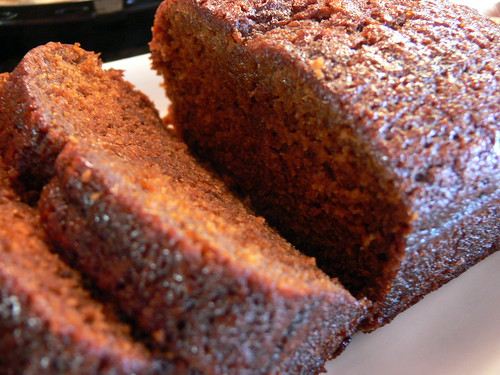
Try your homemade flour in this delicious ginger cake — a super gingery, moist dessert made from scratch.
Ingredients
- 2 ½ cups pigeon pea flour
- 2 tablespoons grated fresh ginger
- 1 cup unsalted butter
- 3 large eggs
- 1 cup whole milk
- 1 cup white sugar
- 1 cup brown sugar
- 1 teaspoon vanilla extract
- 2 teaspoons baking powder
- 2 teaspoons ground ginger
- 1 teaspoon ground cinnamon
- ½ teaspoon salt
Directions
- Preheat oven to 350°F (175°C). Grease and flour two loaf pans.
- Mix pigeon pea flour, baking powder, ginger, cinnamon, and salt in a bowl.
- Cream butter and sugars until light and fluffy. Beat in eggs, grated ginger, and vanilla.
- Add milk and dry ingredients alternately until incorporated.
- Bake for 45–50 minutes, until a toothpick inserted in the center comes out clean.
- Cool 10 minutes in pan, then remove. Dust with sugar and ginger before serving.


Comments
Post a Comment
We appreciate you contacting us here at the African Gourmet African Recipes website.