Learn how to add the exciting and varied flavors of African cuisine to your daily meals.
Discover and infuse your daily meals with the vibrant and diverse flavors of African cuisine. Explore a variety of traditional ingredients, spices, and cooking techniques to elevate your and your friends and family food experience.
African cuisine is a treasure trove of vibrant flavors, diverse ingredients, and rich cultural heritage. Incorporating African foods into your everyday meals not only introduces a delightful range of flavors but also offers an opportunity to explore the diverse culinary traditions of the continent.
We will take a deep dive into the essence of African cuisine, highlight traditional ingredients and spices, and provide practical tips on how to infuse African flavors into your daily food life.
Understanding African Cuisine
Africa is a continent with a multitude of culinary traditions, each influenced by geography, history, and cultural diversity. From the spice-infused stews of North Africa to the fiery flavors of West African cuisine and the aromatic dishes of East Africa, there is an abundance of flavors waiting to be explored.
Staple foods vary across the continent, with some common ingredients being maize (corn), rice, yams, millet, sorghum, plantains, and cassava. Incorporating these staples into your diet can add depth and authenticity to your African-inspired meals.
Traditional African Food Ingredients
Experiment with ingredients such as millet, couscous, sorghum, and fonio, which are commonly used in various African dishes. Additionally, explore the versatility of tubers like yams, cassava, and sweet potatoes, which can be used in stews, soups, and side dishes.
Embrace the nutritious leafy greens prevalent in African cuisine, including collard greens, spinach, kale, and amaranth. These greens can be stir-fried, sautéed, or incorporated into soups and stews, adding both flavor and nutritional value to your meals.
Discover unique fruits and vegetables such as baobab, tamarind, okra, eggplant, and African egg fruit (a type of avocado). These ingredients can be used to create refreshing salads, flavorful sauces, or even exotic desserts.
African cuisine is renowned for its distinctive spice blends. Explore the complex flavors of berbere from Ethiopia, ras el hanout from North Africa, and suya spice from West Africa. Incorporating these spice blends into your cooking will instantly transport your taste buds to the vibrant streets of Africa.
Spicy flavors are integral to many African dishes. Experiment with various chili peppers such as Scotch bonnet, habanero, and bird's eye chili, adjusting the heat level to suit your preference. These peppers add depth, heat, and a touch of adventure to your everyday meals.
African Food Cooking Techniques
Many African dishes benefit from slow cooking methods that allow the flavors to meld together. Try preparing stews, soups, and braised dishes using low heat, allowing the ingredients to develop rich flavors and tender textures.
Explore the art of grilling and roasting, as they are popular cooking techniques in African cuisine. Grilling brings out smoky flavors in meats and vegetables, while roasting intensifies the natural sweetness of ingredients like root vegetables and plantains.
African Cuisine Recipe Ideas
Prepare a vibrant one-pot dish of Jollof rice, a popular West African delicacy known for its aromatic blend of spices, tomatoes, and rice.
Experience the flavors of South Africa with a comforting and fragrant dish like bobotie, a savory baked minced meat dish with spices and an egg-based topping.
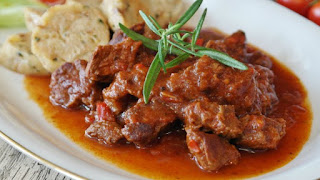
Indulge in a hearty West African peanut stew called Mafe, combining vegetables, protein like chicken or beef, and a rich peanut sauce.
Simple recipe for Mafe, a delicious West African peanut stew.
Ingredients
1 pound boneless chicken, cut into pieces (or use beef, lamb, or tofu for vegetarian/vegan version)
1 onion, finely chopped
2 cloves of garlic, minced
2 tablespoons vegetable oil
2 tablespoons tomato paste
1 cup peanut butter (smooth or chunky)
4 cups chicken or vegetable broth
2 carrots, peeled and sliced
2 potatoes, peeled and cubed
1 bell pepper, diced
Salt and pepper to taste
Fresh cilantro or parsley for garnish (optional)
Directions
Heat the vegetable oil in a large pot over medium heat. Add the chopped onion and minced garlic, and sauté until the onion becomes translucent.
Add the chicken pieces to the pot and cook until browned on all sides. If you're using beef, lamb, or tofu, make sure to cook them thoroughly as well.
Stir in the tomato paste and peanut butter, mixing well until they are fully incorporated.
Gradually pour in the chicken or vegetable broth, stirring continuously to create a smooth and creamy consistency.
Add the sliced carrots, cubed potatoes, and diced bell pepper to the pot. Season with salt and pepper according to your taste.
Reduce the heat to low, cover the pot, and let the stew simmer for about 30-40 minutes, or until the chicken (or other protein) is cooked through and the vegetables are tender.
Stir the stew occasionally to prevent the peanut butter from sticking to the bottom of the pot.
Once the stew is ready, remove it from the heat. You can serve it as is or with a side of rice or couscous for a complete meal.
Garnish with fresh cilantro or parsley if desired, and enjoy the rich and flavorful West African Mafe.
Feel free to adjust the ingredients and spices according to your preferences. You can also add other vegetables like sweet potatoes or leafy greens for extra nutrition and flavor.
Adding African foods into your food life.
Incorporating African foods into your everyday food life opens up a world of flavors, spices, and cooking techniques that will enrich your culinary journey. By embracing traditional ingredients, exploring spice blends, and experimenting with different cooking methods, you can infuse your meals with the vibrant and diverse tastes of Africa. So, embark on a culinary adventure, and let the bold and captivating flavors of African cuisine transform your everyday dining experience.
Getting your friends to try African foods
Introducing your friends and coworkers to the wonders of African food can be an exciting and enriching experience. To encourage them to try African cuisine, start by sharing your enthusiasm and knowledge about the diverse flavors and cultural significance of the dishes.
Organize a gathering or potluck where everyone can bring a dish from a different African country, creating an opportunity for everyone to taste and explore a variety of flavors. Consider providing some background information about the dishes and ingredients to spark curiosity and intrigue. Additionally, offer to accompany them to a local African restaurant or suggest trying a recipe together at home.
By fostering a sense of adventure, providing educational context, and creating a welcoming environment, you can inspire your friends and coworkers to step outside their culinary comfort zones and embark on a delicious journey into the world of African food.




Comments
Post a Comment
Thank you for getting in touch! We appreciate you contacting us here at the African Gourmet. African food culture is world heritage, thank you! Want to read the latest African food news from the African Gourmet visit our website www.africanfood.recipes.